The Transformative Power of a Solitary Trek: Discovering Yourself in Nature
- Michael Jackson

- Nov 9, 2025
- 3 min read
Embarking on a solitary trek offers a unique chance to disconnect from the noise of everyday life and reconnect with your inner self. Hiking solo through the best hiking trails is more than just a physical challenge; it is a journey into your own mind and spirit. The quiet of nature, the rhythm of your footsteps, and the vastness around you create a space where self-discovery becomes inevitable.

The Call of the Solivigant Adventure
Choosing to go on a solivigant trip means stepping into the unknown without companions. This independent expedition demands courage and trust in your own abilities. Unlike group hikes, a solitary trek forces you to rely on your instincts and decisions, which sharpens your confidence and self-reliance.
Many travelers find that hiking solo on multi-day trips allows them to set their own pace and explore the best hiking trails without compromise. The freedom to pause, reflect, or change direction at will creates a deeply personal experience. This kind of wandering alone is not just about reaching a destination but about embracing the journey itself.
Lessons Learned from Roaming by Oneself on a Solitary Trek
When you roam by yourself, every step teaches something new. The silence around you becomes a mirror reflecting your thoughts and emotions. Without distractions, you notice details that often go unnoticed: the sound of leaves underfoot, the scent of pine, the way sunlight filters through branches.
A lone hike can reveal strengths you didn’t know you had. Managing your supplies, navigating unfamiliar terrain, and facing unexpected challenges build resilience. These experiences translate into everyday life, giving you a stronger sense of control and calm.
Practical Tips for Hiking Solo Safely
Hiking alone requires preparation to ensure safety and enjoyment. Here are some practical tips for those ready to take on a solitary trek:
Choose the best hiking trails that match your skill level and are well-marked.
Inform someone about your route and expected return time.
Pack essentials like a map, compass, water, food, and first aid kit.
Dress appropriately for the weather and terrain.
Stay aware of your surroundings and trust your instincts.
These steps help reduce risks and allow you to focus on the transformative aspects of your journey.
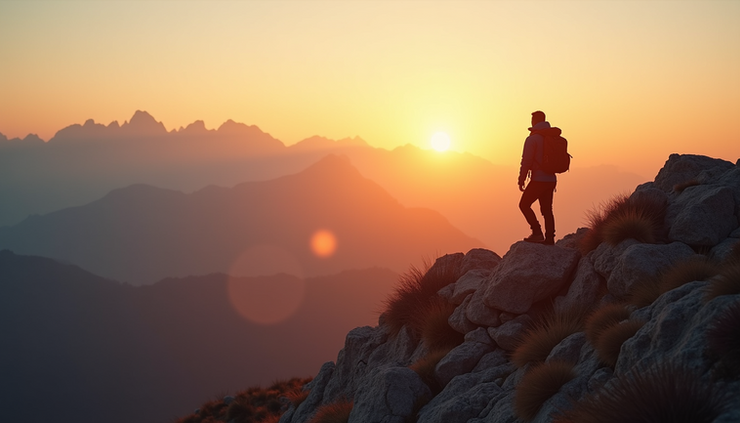
The Spiritual Connection of a Solo Nature Walk
Many who take on a solo expedition describe a spiritual awakening. Being alone in nature opens a channel to deeper understanding and peace. The solitude acts as a form of meditation, where the mind clears and the heart opens.
This connection is often described as feeling planted like a tree by the waters, gaining nourishment not just physically but mentally and emotionally. Hiking solo becomes a metaphor for life: growing steadily, rooted in strength, and reaching toward light.
Sharing Your Journey Through Blogging
After completing a solitary trek, many travelers choose to blog about their experience. Writing about your solo wandering allows you to process what you learned and share insights with others. Blogging becomes an unaccompanied expedition of its own, where your words inspire and guide fellow hikers.
Sharing stories about the best hiking trails you explored or the challenges you overcame can motivate others to try hiking solo. It also creates a community of like-minded adventurers who value independence and self-discovery.

Embracing the Evergreen Journey
A solitary trek is more than a physical activity; it is a path to becoming evergreen in spirit. Like a tree planted by the waters, you gain strength and nourishment that lasts beyond the trail. The lessons from hiking solo stay with you, helping you face life’s challenges with clarity and resilience.
If you have not yet tried a solo trek, consider starting with shorter hikes on the best hiking trails near you. Each step alone brings you closer to understanding yourself and the world around you.



Comments